Eyelash Thinning in Calgary: Causes, Care, and When to See a Professional
Britannia Dermedics • September 16, 2026
Thinning or sparse eyelashes are more common than many people realize—and for good reason. Our lashes go through natural growth cycles that are easily disrupted by everything from seasonal changes to everyday habits. At Britannia Dermedics, clients from neighborhoods near Inglewood come to us with this concern regularly, often after years of reaching for mascara and lash serums without finding a lasting answer.
Understanding what actually causes eyelash thinning is the first step to addressing it thoughtfully. This guide walks through the root causes, what you can do at home to protect your lashes, and when it's time to have a professional conversation about your options.
What We Cover:
- Why Eyelashes Thin: The Root Causes
- The Role of Your Lash Growth Cycle
- Everyday Habits That Protect Lash Health
- When Home Care Isn't Enough: Talking to a Professional
Why Eyelashes Thin: The Root Causes
Eyelash thinning is rarely caused by a single factor. In most cases, it's a combination of several influences working together over time. Common contributors include:
- Hormonal shifts: Changes during menopause, pregnancy, or thyroid dysfunction can significantly disrupt lash density and growth.
- Nutritional deficiencies: Low levels of iron, biotin, zinc, and certain vitamins affect hair follicle health across the body, including at the lash line.
- Medication side effects: A range of medications—including some blood thinners, antidepressants, and cholesterol medications—list lash or hair thinning as a side effect.
- Mechanical damage: Vigorous eye makeup removal, rubbing, and the cumulative weight of lash extensions can weaken and break lashes over time.
- Skin conditions: Blepharitis, contact dermatitis, and alopecia areata can all affect the eyelid and lash follicles directly.
- Calgary's climate: Dry air—particularly in winter—makes lashes more brittle and prone to breakage.
Professional tip: Addressing an underlying cause (like a nutritional deficiency or a medication side effect) is just as important as any topical or clinical approach to lash care.
The Role of Your Lash Growth Cycle
Like all hair, eyelashes follow a growth cycle with three distinct phases: the anagen (active growth) phase, the catagen (transition) phase, and the telogen (resting and shedding) phase. Each lash operates on its own independent cycle, which is why you don't lose all your lashes at once.
What disrupts this cycle is important to understand. High stress levels, illness, rapid weight changes, and certain nutritional shortfalls can push a larger proportion of lashes into the shedding phase simultaneously—a condition known as telogen effluvium. The result is noticeable thinning that can feel sudden, even though the underlying disruption may have occurred weeks earlier.
Recovery is possible in most cases once the underlying trigger is addressed. However, the timeline varies considerably depending on the cause and the individual.
Everyday Habits That Protect Lash Health
Simple, consistent habits make a real difference over the long term. If you're noticing increased lash shedding or sparse areas, consider reviewing these fundamentals:
- Remove eye makeup gently: Use a dedicated, oil-based eye makeup remover and a soft cotton pad. Avoid pulling or rubbing—instead, hold the pad against closed eyes for a few seconds to let the product dissolve the makeup before wiping.
- Take regular breaks from extensions: Lash extensions and heavy cluster lashes add weight to the follicle and can cause traction-related shedding. Giving your natural lashes regular recovery periods is important.
- Choose mascara carefully: Waterproof formulas require more force to remove and can be more drying. Reserve them for special occasions rather than daily use.
- Support lash health from the inside: A diet rich in proteins, leafy greens, and healthy fats provides the building blocks for healthy hair follicles. If you suspect a deficiency, speak with your family doctor before starting supplements.
- Protect from the elements: Calgary's dry winters and windy springs accelerate moisture loss in the lashes. Using a light, lash-friendly conditioning serum can help maintain flexibility and reduce breakage.
A quick tip to remember: Many over-the-counter lash serums contain conditioning ingredients that can improve the appearance and feel of lashes. However, if the underlying cause of thinning is medical or hormonal, no cosmetic serum will address the root issue. This is when a professional conversation becomes important.
When Home Care Isn't Enough: Talking to a Professional
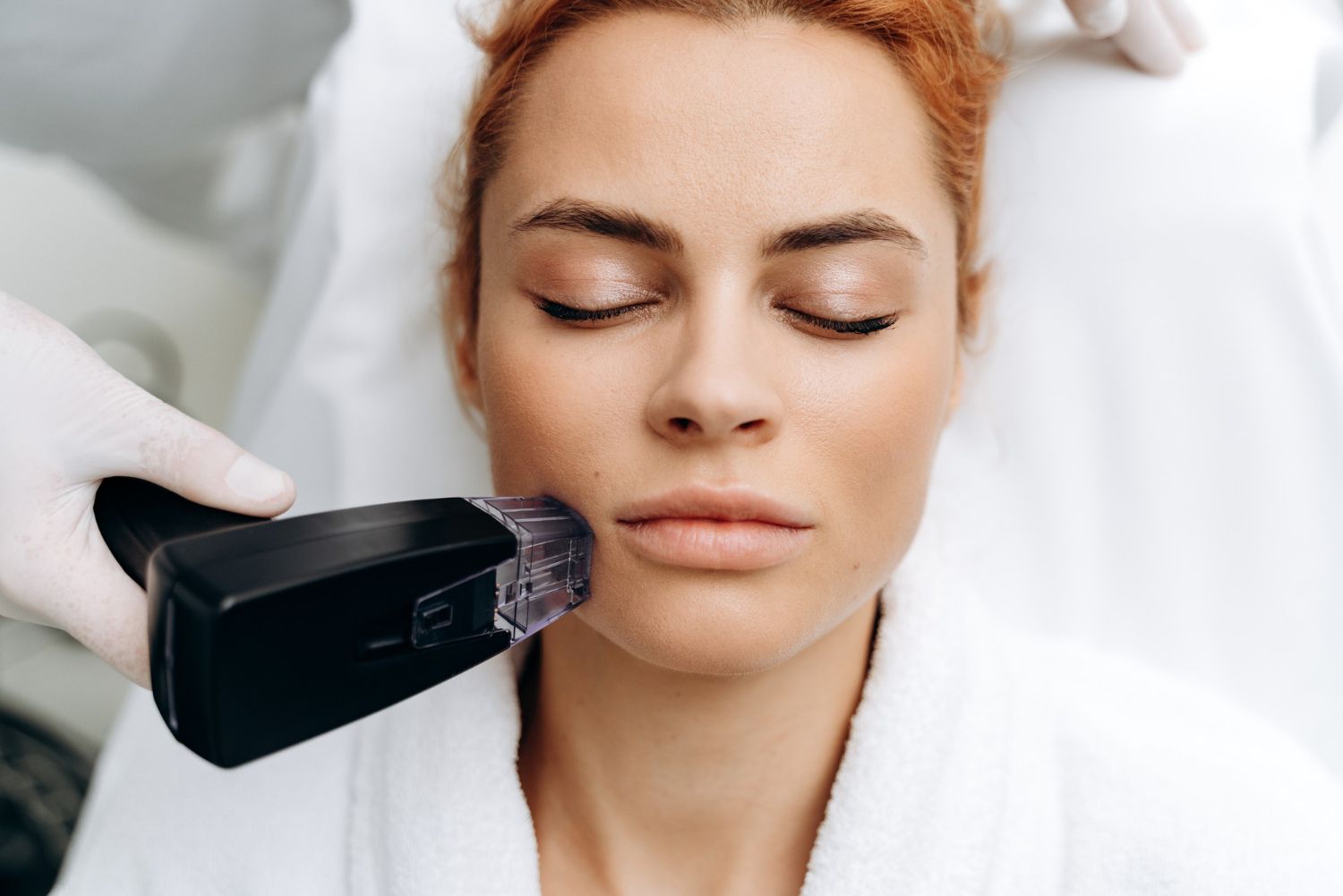
If you've been diligent about your lash care routine and still notice persistent thinning, loss along the entire lash line, or changes in lash texture, it's worth speaking with a healthcare professional. At Britannia Dermedics, our team can discuss your personal situation, review your history, and talk you through the prescription options that may be available to you following a proper consultation.
Prescription treatments for eyelash thinning do exist and are available through licensed medical providers in Canada. Whether a prescription approach is appropriate for you depends on your individual health history, the cause of your thinning, and a thorough assessment—something that can only happen in a one-on-one clinical setting.
We understand that reaching out can feel like a big step, particularly for something that may seem purely cosmetic. But thinning lashes can signal underlying health factors worth exploring, and a professional consultation gives you clarity, not just a product.
Take the First Step
If you're in Calgary and ready to have an honest, informed conversation about your lash health, Britannia Dermedics is here to help. Our team takes the time to understand your individual situation and explain your options clearly—so you can make decisions that are right for you.
Book a consultation with us today and let's start with a thorough assessment.
Share This Blog